
Hard work
Virtue or pitfall?

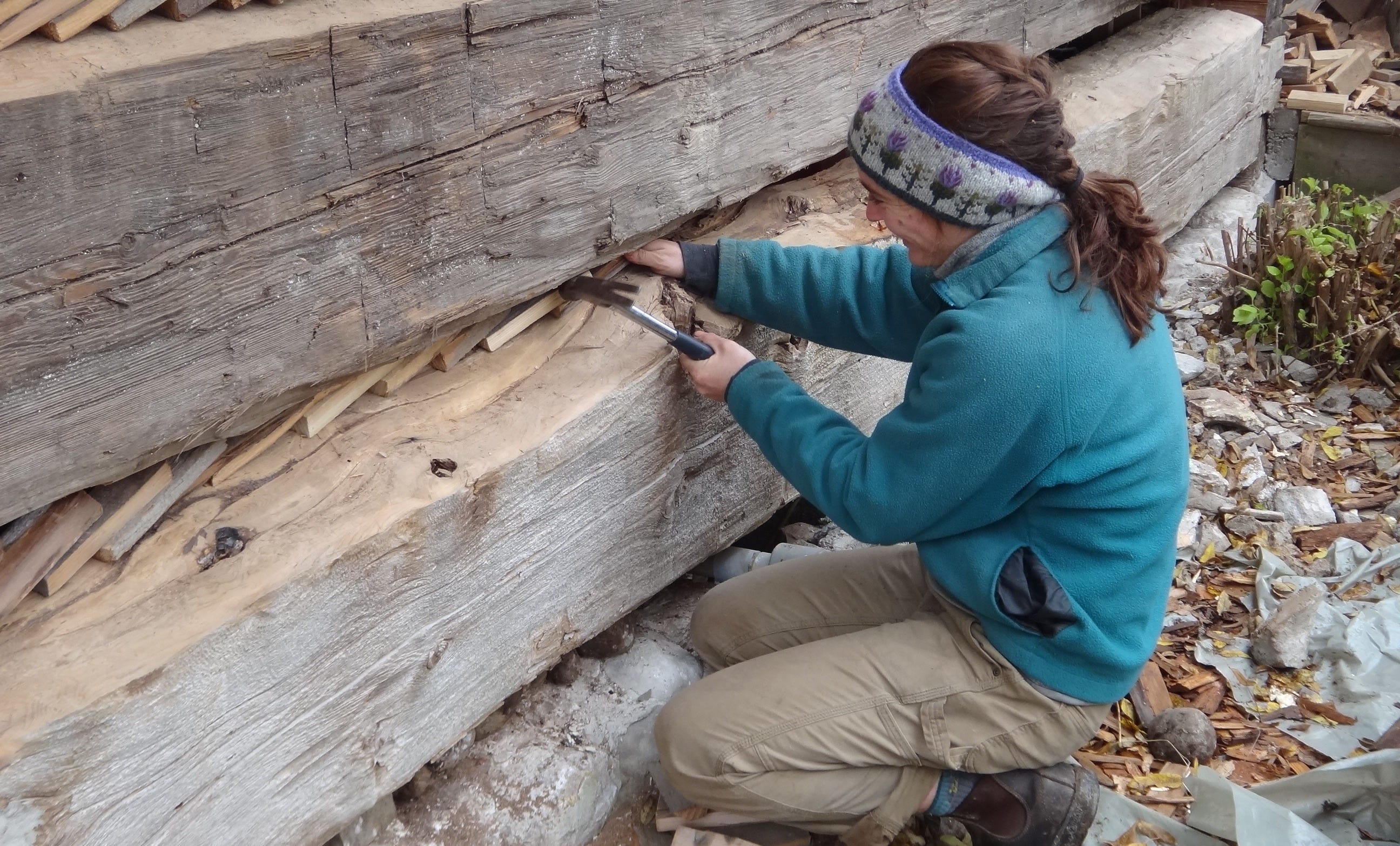
Sitting around the dinner table on my first visit to the Wiederkehr family’s subsistence farm in Southern Ontario a few years ago, I was surprised when members of the family pushed aside their empty plates and began mending clothes while we conversed.
I soon learned that bringing handwork projects to the table was common in the Wiederkehr house. In fact, it was encouraged. This was June—the height of planting season—and squeezing work into every minute of the day seemed the family’s best chance at achieving their goal of growing all of their food sustainably on their 100-acre farmstead.
Actually, it wasn’t just a complete diet they wanted to produce without using fossil fuels or other off-farm inputs, their goal was to source all of their necessities directly from their land—including clothing, cooking fuel, building supplies, and tools.
To me, a completely sustainable, land-based lifestyle seemed like the ultimate dream, and I joined the experiment enthusiastically, eager to do what it took to live a planet-friendly life. But over the next year, I learned that hard work can be as much a pitfall as a virtue.
I moved to the Wiederkehr’s farm in August, just in time for tomato canning, and spent my first week harvesting bushel after bushel of tomatoes to process at the dining room table.
Just when the tomato bonanza was winding down, the green beans demanded our full attention. Then apples, potatoes, corn, dry beans, squash, and all kinds of root vegetables.
By the time my icy fingers pulled the last rutabagas from the ground and tucked them into leafy beds in the root cellar, I was worn out. For months, I had worked almost every waking hour of every day wanting to prove that I had what it took to live a sustainable lifestyle. Now I was ready to enjoy my well-earned winter rest, and take some free time for activities I enjoyed. But that time never came.
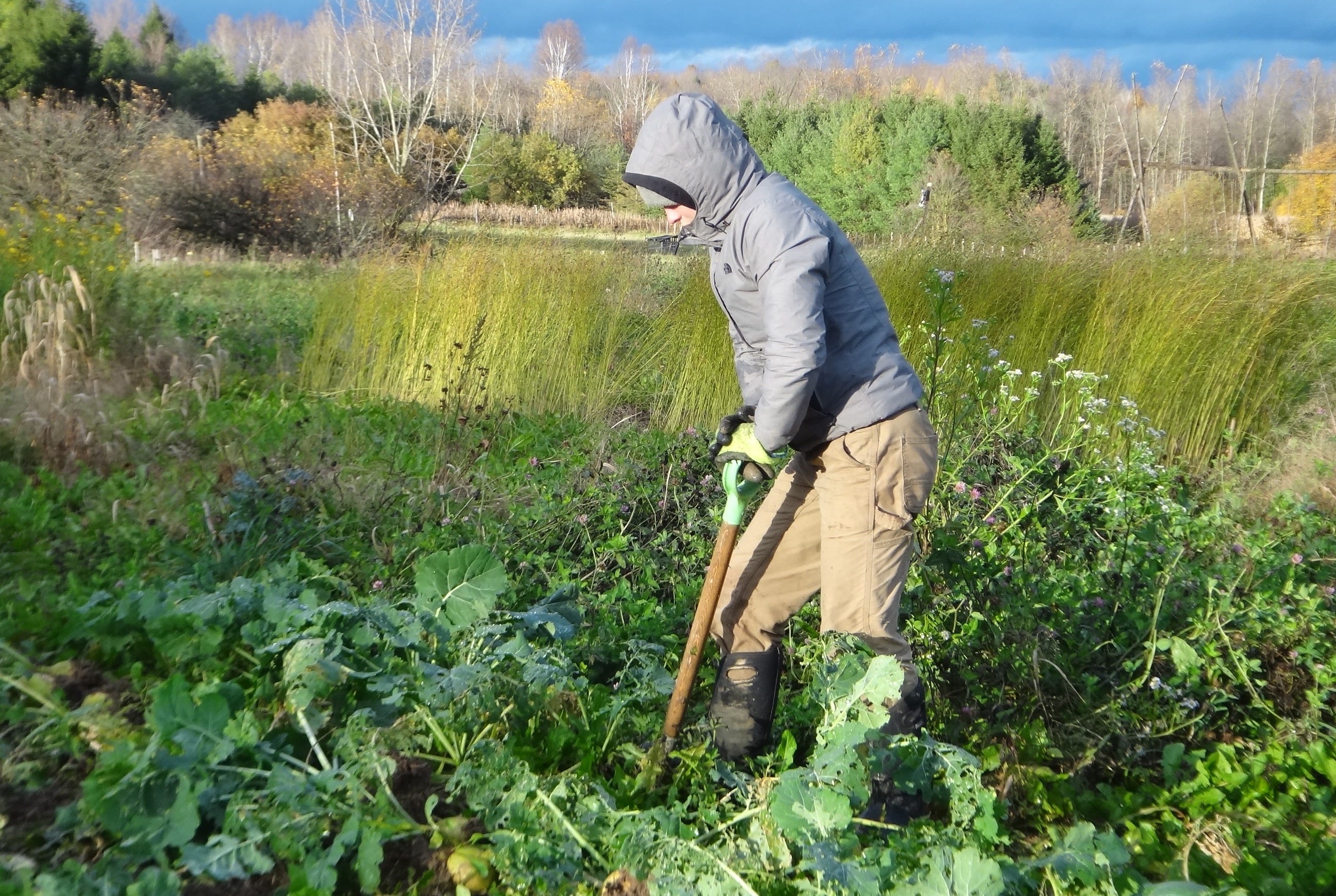
The temperatures dropped and the snow fell, but our schedule stayed the same: wake up with the sun, eat a communal breakfast of corn porridge and yogurt, then get to work.
As I chopped and hauled firewood, toiled in the wood shop, inoculated beans for soy sauce, and researched all of the “sustainable living skills” we had yet to master, I began to wonder if we had lost sight of our goal.
We were so focused on working hard that even when we got a chance to rest and enjoy the fruits of our labor, we didn’t take it. In an effort to live sustainably, it felt like we were taking the “life” out of lifestyle.
What were we doing wrong?
In the book Do Nothing, Celeste Headlee explains that people often mistake means goals for end goals. Means goals are the measurable goals we set to help us work toward our more fundamental life goals, but if we’re not careful, they can distract us from reaching the final destination.
Living sustainably is a means goal. It helps me build the kind of life I want to live—a life that doesn’t pollute or destroy the place I call home—but it isn’t my only purpose in life. It’s conceivable that I could reach my goal of living sustainably; then I would still have to ask myself “what do I want in life? Why do I want to survive on this planet, anyway?”
Headlee writes that if we’re honest with ourselves, one thing we want—and need—in order to live good, fulfilling lives, is leisure.
Leisure—time away from productive labor—can be a chance to rest and rejuvenate. It can also help us meet our human needs for socialization, community, music, and play—some of the things that make our lives worth living.
In her book, Headlee presents a theory that I think should be considered by anyone working to make the world more sustainable: the Idle Theory.
“Every living being has to do some work in order to stay alive,” she writes. But, “according to Idle Theory, the entities that meet their survival needs with the least amount of work are most likely to survive.”
I have no doubt that it will take a lot of work for us to build lifestyles and communities that are sustainable for the planet, and that is work worth doing. But if, when we reach our goal, we don’t know how to stop working and enjoy the lives we’ve built, can we call that success?
Suggested reading:
Do Nothing by Celeste Headlee (2020, book)